

SCORES & OUTDOORS: Mystery of the missing crickets
 by Roland D. Hallee
Over recent years I have been asked why certain creatures in nature seem to be disappearing. First we noticed a decline in fire flies, then June bugs, and even frogs.
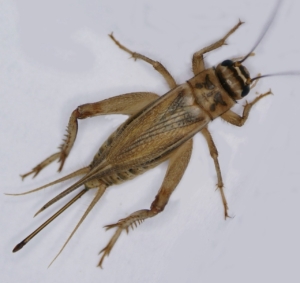
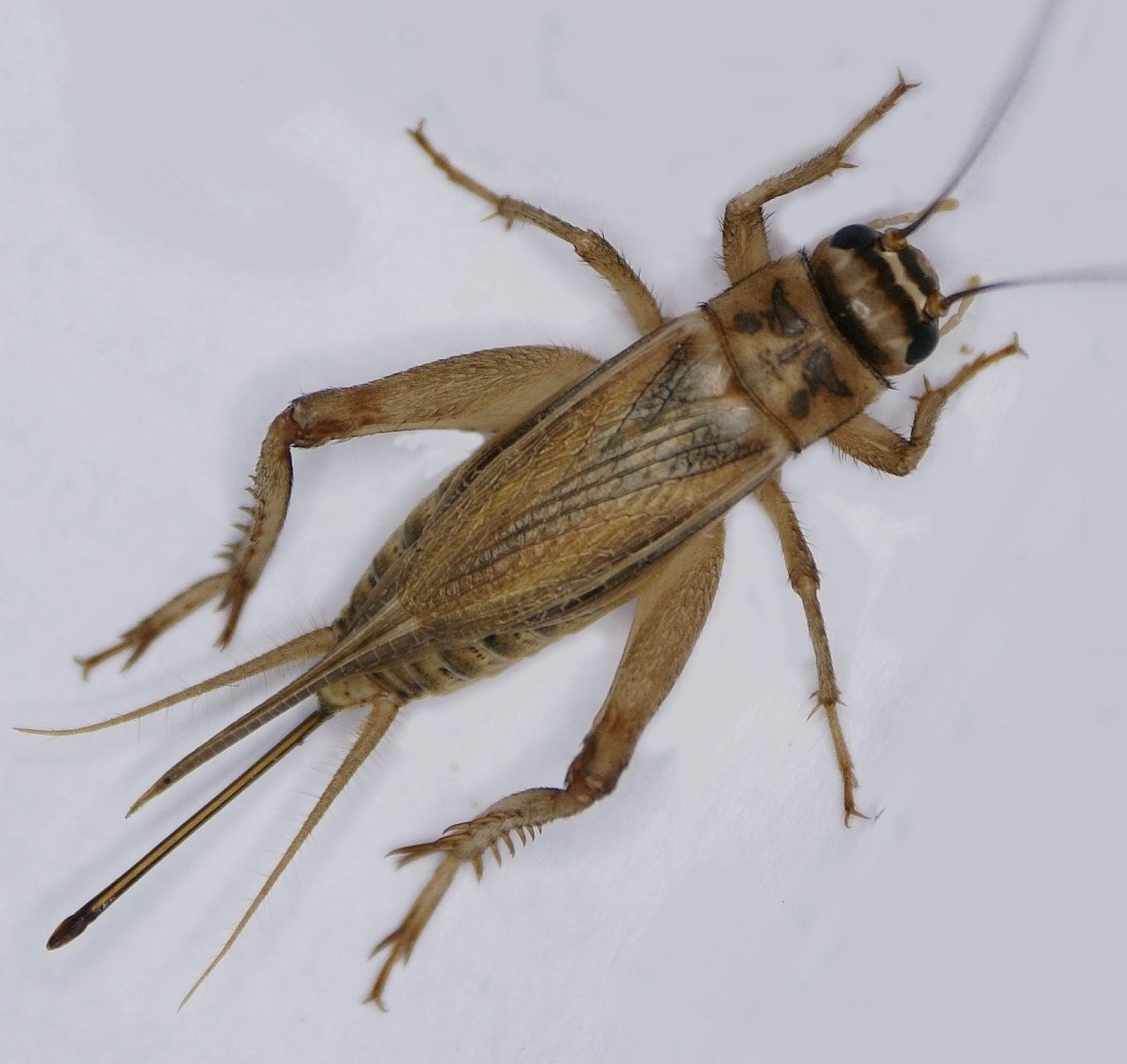
Last week, I received an email from a loyal reader about the absence of crickets this past summer. After reflecting, I also wondered why we don’t hear them anymore.
Well, crickets haven’t disappeared, but their numbers and presence can be affected by seasonal changes and long-term environmental factors like habitat loss, climate change, and pesticides. If you don’t hear them, it could be because they are hiding from predators, seeking shelter indoors in colder weather, or it might be winter when they naturally die off and only their eggs overwinter. Conversely, a hot, dry summer can lead to an increase in crickets. So, OK, we had a hot, dry summer, why didn’t we hear crickets?
Here are some short-term reasons you might not hear or see crickets:
Seasonal changes: Crickets generally decrease or disappear during the colder months as temperatures drop. Many species die off after the first frost, with the next generation hatching from eggs in the spring.
Shelter-seeking: They may move indoors to find shelter from the elements, so you might not hear them in your yard anymore.
Predator avoidance: Crickets are sensitive to vibrations. If they hear you coming, they will go silent to avoid being detected by predators.
Long-term reasons for declining numbers.
Habitat loss: Increasing urbanization, large-scale agriculture, and wildfires destroy the natural habitats crickets depend on.
Climate change: Fluctuations in temperature and weather patterns can impact cricket populations.
Insecticides: The use of pesticides can directly kill crickets and contribute to overall insect decline.
What you can do.
For temporary seasonal absence: You can expect to hear them again in the spring, as they overwinter in the egg stage.
If you want to encourage them: Planting native grasses and flowers and reducing pesticide use can help create a more favorable environment.
If you’re seeing them inside: They are likely seeking shelter from the cold or looking for moisture. Focus on sealing cracks and entry points to prevent them from getting inside.
Let’s learn a little more about crickets.
Crickets have a cosmopolitan distribution, being found in all parts of the world with the exception of cold regions at latitudes higher than about 55 degrees North and South. They have colonized many large and small islands, sometimes flying over the sea to reach these locations, or perhaps conveyed on floating timber or by human activity.
Crickets are found in many habitats. Members of several subfamilies are found in the upper tree canopy, in bushes, and among grasses and herbs. They also occur on the ground and in caves, and some are subterranean, excavating shallow or deep burrows. Some make home in rotting wood, and certain beach-dwelling species can run and jump over the surface of water.
Crickets are relatively defenseless, soft-bodied insects. Most species are nocturnal and spend the day hidden in cracks, under bark, inside curling leaves, under stones or fallen logs, in leaf litter, or in the cracks in the ground that develop in dry weather. Some excavate their own shallow holes in rotting wood or underground and fold in their antennae to conceal their presence. Some of these burrows are temporary shelters, used for a single day, but others serve as more permanent residences and places for mating and laying eggs. Crickets burrow by loosening the soil with the mandibles and then carrying it with the limbs, flicking it backwards with the hind legs or pushing it with the head.
Other defensive strategies are the use of camouflage, fleeing, and aggression.
Most male crickets make a loud chirping sound by stridulation (scraping two specially textured body parts together). Most female crickets lack the necessary adaptations to stridulate, so make no sound.
Several types of cricket songs are in the repertoire of some species. The calling song attracts females and repels other males, and is fairly loud. The courting song is used when a female cricket is near and encourages her to mate with the caller. A triumphal song is produced for a brief period after a successful mating and may reinforce the mating bond to encourage the female to lay some eggs rather than find another male. An aggressive song is triggered to detect the presence of another male cricket.
So, how come this past summer, the only time I heard crickets was when I told a really bad dad joke?
Roland’s trivia question of the week:
Name the Red Sox player who is the only one to hit for the cycle in a post season game.
Responsible journalism is hard work!
It is also expensive!
If you enjoy reading The Town Line and the good news we bring you each week, would you consider a donation to help us continue the work we’re doing?
The Town Line is a 501(c)(3) nonprofit private foundation, and all donations are tax deductible under the Internal Revenue Service code.
To help, please visit our online donation page or mail a check payable to The Town Line, PO Box 89, South China, ME 04358. Your contribution is appreciated!
Leave a Reply
Want to join the discussion?Feel free to contribute!